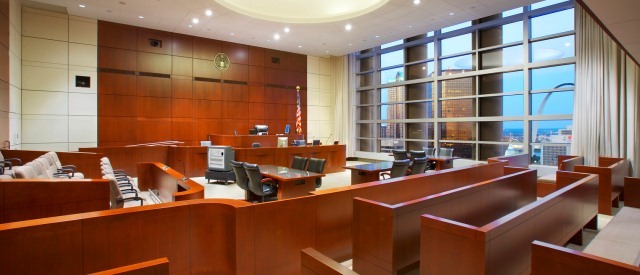
A trial can look polished from the gallery and still feel chaotic from counsel table. Papers stack up, objections come fast, witnesses drift, and one sloppy choice can undo weeks of work. That is why trial procedures matter so much. They are not courtroom wallpaper. They are the rules that keep the fight fair, focused, and tied to proof instead of noise.
If you work around litigation, you learn this lesson early. Good facts can lose when the presentation is messy, and average facts can gain strength when the process is handled with discipline. That may sound harsh, but it is real. Judges reward order. Juries notice confidence. Opposing counsel spots hesitation like a hawk.
You do not need to become theatrical to handle a trial well. You need structure, timing, judgment, and a working grip on the rules that shape each stage. The smartest trial lawyers are rarely the loudest people in the room. They are the ones who know what happens next, why it matters, and when to press or pull back. That is where real courtroom control starts.
Why Procedure Wins Before Anyone Gives a Closing
Most people think trial strength begins with the facts. It does not. It begins with whether those facts can be introduced, explained, and defended under rules the court will accept. That is the first hard truth. A strong story with weak handling falls apart faster than most clients expect.
You see it in ordinary courtroom moments. A witness gets ahead of the question. An exhibit has not been marked correctly. A lawyer stands to object but misses the basis. None of that feels dramatic on paper, yet each mistake chips away at trust. Jurors may not know the rule number, but they know when one side looks prepared and the other looks rattled.
Procedure also sets the emotional temperature of a case. Clean filings, timely disclosures, and disciplined witness handling tell the court you respect the process. That matters more than many lawyers admit in public. Judges are human. They respond to lawyers who make the room easier to manage.
This is where policy standards quietly do their work. They shape local expectations on scheduling, courtroom conduct, exhibit exchange, and pretrial compliance. Miss them, and you start every hearing uphill. Follow them well, and you buy credibility before the first witness speaks. That is not glamour. It is winning groundwork.
How Pretrial Discipline Shapes the Whole Fight
Trials are often decided before the jury is sworn. That line sounds dramatic, but it holds up in real courtrooms because pretrial work decides what the jury will actually hear. If your motions are sloppy, your exhibit list is vague, or your witness prep is thin, the damage arrives early and stays late.
A good pretrial plan does three jobs at once. It narrows the issues, protects your proof, and limits surprises from the other side. Think about a contract dispute where both parties blame each other for delay. The lawyer who builds a sharp timeline, pins down admissions in discovery, and cleans up evidentiary problems before trial has already changed the odds.
Pretrial conferences matter for the same reason. They look routine until you watch one side walk in unready. Judges use those hearings to test whether counsel understands the case, the deadlines, and the pressure points. If you drift through them, the court notices. That reputation follows you into trial.
Good lawyers treat pretrial prep like stage carpentry. The audience never praises the beams, but the whole structure depends on them. That means reading standing orders, checking filing rules twice, and preparing motions with the same care you would give an opening. Boring work? Sometimes. Expensive to neglect? Every time.
What Really Happens When Evidence Meets the Rules
Evidence law scares new lawyers because it feels technical, and frankly, sometimes it is. But in practice, evidence fights usually turn on simple questions. Can you prove what this document is? Is this testimony based on actual knowledge? Does the probative value outweigh the risk of unfair prejudice? Strip away the Latin, and that is the core.
The best trial lawyers make evidence feel clean. They do not wave papers around and hope the judge fills in the blanks. They lay foundation, connect relevance, and move with purpose. A photo is not useful because it exists. It is useful because someone can explain when it was taken, what it shows, and why the jury should care.
This is where trial procedures show their teeth in the middle of a case. Timing matters. Sequence matters. Preservation matters. If you fail to object, you may lose the point. If you object badly, you may confuse the judge and teach the jury to dislike you. That is a rough trade.
The counterintuitive part is this: not every fight is worth having. Good courtroom judgment means knowing which evidentiary issue changes the case and which one merely satisfies your ego. A tight objection can save credibility. Ten weak objections can burn it down. The room remembers restraint.
Witness Control Is Less About Drama and More About Precision
Witness examination gets romanticized, mostly by people who have not done enough of it. Real direct and cross are not built on movie speeches. They are built on listening, timing, and sentence control. If your question is muddy, your answer will be worse. That is just physics in a suit.
Direct examination should feel steady and clean. Your witness needs room to speak, but not so much room that the story wanders into weeds. A good direct guides without choking the testimony. One grounded example matters more than ten abstract claims. Jurors trust detail they can picture.
Cross-examination is different. It is not a performance contest. It is a discipline test. You ask tight questions because loose ones invite trouble. Consider a business records witness who casually overstates what a report proves. A smart cross does not argue. It corners the overstatement with the witness’s own limits and lets the jury finish the thought.
Witness prep also carries moral weight. You prepare a witness to tell the truth clearly, not to become a better actor. Cross that line and the case starts to rot from the inside. Courts punish that kind of gamesmanship eventually. Sometimes the jury does it first. Either way, it is bad lawyering and worse strategy.
Policy Standards, Local Practice, and the Mistakes That Keep Repeating
National rules matter, but local practice often decides whether your day runs smoothly or slides sideways. Every courthouse has habits, preferences, and unwritten rhythms. Pretending otherwise is a rookie move. Judges differ. Clerks differ. Courtrooms differ. That is not unfair. It is reality.
One judge may want paper courtesy copies marked a certain way. Another may expect exhibit binders before a set hour. Some courts enforce time limits with a hard edge, while others allow modest flexibility if counsel has earned trust. None of this excuses sloppy research. It makes preparation more important.
The repeat mistakes are almost boring in their predictability. Lawyers file late and act surprised when patience runs out. They ignore local formatting rules, bring witnesses without clear scheduling, or assume courtroom technology will somehow cooperate on command. It rarely does. Printers jam. Screens fail. Audio disappears at the worst moment. Welcome to trial.
That is why policy standards deserve more respect than they usually get. They are not decorative. They tell you how a court expects work to be done. If you read them early, you protect your case from preventable damage. If you treat them as optional, you create your own emergency. And those are the dumbest emergencies of all.
Why Good Trial Work Still Depends on Human Judgment
By the time a case reaches trial, you can feel tempted to trust checklists alone. Checklists help. They catch filing dates, exhibit numbers, witness order, and other details that matter. But a trial is still a live human contest, and no form can think for you when the room shifts.
That shift can happen quickly. A juror’s expression changes. A witness becomes defensive. A judge signals impatience with a line of questioning that looked smart on paper. You cannot freeze when that happens. You need judgment shaped by preparation, not panic dressed as instinct.
The strongest courtroom lawyers know when to simplify. They cut excess. They stop chasing every shiny point. They keep the jury attached to a small number of ideas that actually decide the case. That takes nerve. Many lawyers talk too much because silence feels risky. In truth, clutter is usually riskier.
The future of good trial practice will belong to lawyers who combine rule mastery with plain human communication. Courts do not need more noise. They need clearer thinking, cleaner proof, and advocates who respect the process enough to use it well. Read the rules. Study the local court. Then practice saying less, better. That is your next step, and it will pay off long before verdict day.
What are trial procedures in a USA court case?
Trial procedures are the step-by-step rules that govern how a case moves through court, from motions to witness testimony and verdict. They keep the process fair, organized, and predictable, so decisions rest on proof instead of confusion, delay, or courtroom chaos.
Why do trial procedures matter so much to case outcomes?
They matter because facts do not speak for themselves in court. Procedure decides what evidence gets heard, when objections count, and how arguments reach the judge or jury. Strong preparation under the rules often beats louder advocacy with weaker courtroom discipline.
How do policy standards affect trial preparation in practice?
Policy standards shape the small details that often decide whether your preparation holds up under pressure. They guide deadlines, filing habits, exhibit handling, and courtroom conduct. Follow them early, and you gain trust. Ignore them, and mistakes multiply when pressure rises.
What happens if a lawyer ignores local court rules?
Ignoring local court rules creates avoidable trouble fast. Judges may deny requests, reject filings, shorten patience, or question counsel’s reliability. Even when the case survives, the lawyer starts from a weaker position. Courts remember who respects procedure and who treats it casually.
How should lawyers prepare witnesses for trial testimony?
Lawyers should prepare witnesses to tell the truth clearly, calmly, and in sequence. That means reviewing facts, fixing confusion, and practicing direct answers without coaching false certainty. Good witness prep builds clarity. Bad witness prep builds a problem that eventually explodes publicly.
What is the biggest evidence mistake lawyers make at trial?
The biggest mistake is assuming a document or statement will speak for itself. It will not. Lawyers must lay foundation, explain relevance, and preserve objections properly. When they skip those steps, useful proof can become unusable at the exact worst moment.
Are pretrial conferences really that important for trial success?
Yes, because pretrial conferences reveal whether counsel truly controls the case. Judges use them to test readiness, narrow disputes, and set expectations. A sharp appearance can build credibility early. A careless one can damage trust before the jury hears a single word.
How can attorneys make cross-examination more effective?
Effective cross-examination stays tight, focused, and disciplined. The lawyer asks short questions, controls the pace, and avoids arguing with the witness. The goal is not theatrical destruction. The goal is exposing limits, contradictions, or bias in a way the jury can follow.
Do juries notice procedural mistakes made by lawyers?
Juries may not know the technical rule, but they notice disorder fast. They see fumbling exhibits, unclear questions, repeated bench corrections, and wasted time. Those moments shape confidence. A lawyer who looks unprepared can weaken the client’s story before deliberations even begin.
What is the difference between federal and local trial standards?
Federal rules create the larger frame, while local standards control much of the daily courtroom reality. Local practice often governs formatting, timing, exhibit exchange, and hearing expectations. Smart lawyers learn both levels because one without the other leaves dangerous gaps in preparation.
Can a strong case still lose because of poor procedure?
Yes, and it happens more often than clients think. Good facts need proper handling to reach the court with force. Missed objections, weak witness prep, or late filings can drain power from a case. Procedure is not separate from substance. It delivers substance.
What should a reader do after learning these trial basics?
Start by reviewing the governing rules for your court, then study local orders and recent trial practices. Build a checklist, tighten witness prep, and test your evidence plan early. If the stakes are high, get experienced trial counsel involved before trouble starts.